Quick answer
mental enrichment complements physical activity; it does not replace it. A useful routine also includes social contact, opportunities for normal dog behavior and undisturbed rest.
Stop looking for a conversion formula
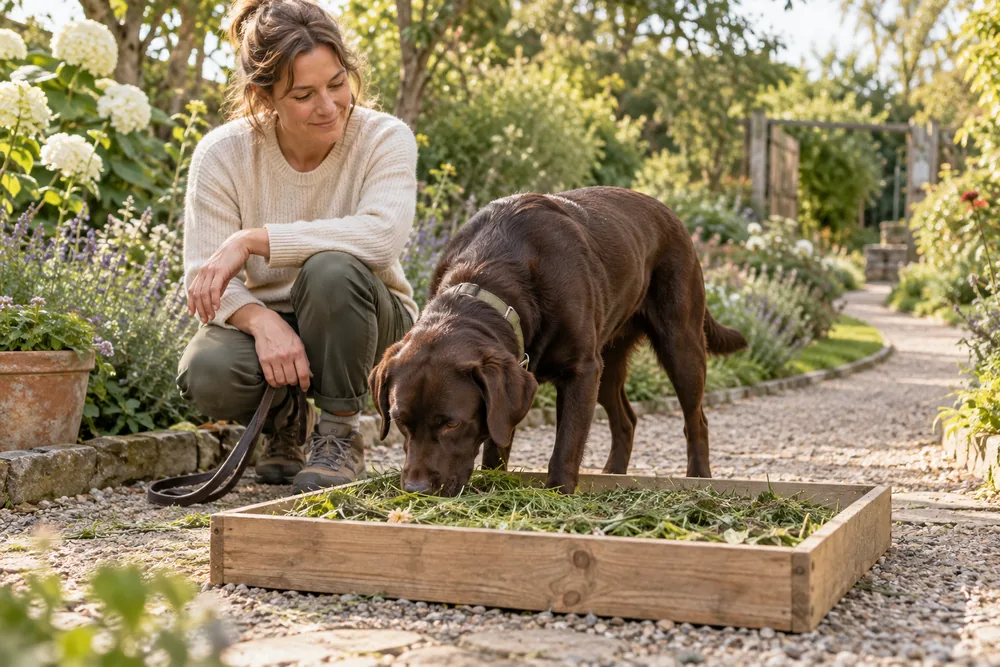
You may see claims that a few minutes of sniffing equal a much longer walk. We do not use a fixed conversion here. Activities differ, dogs differ and “tired” is not a complete measure of a good day.
A walk can include both movement and investigation. A food search can involve gentle movement and problem-solving. These categories overlap, so planning every minute into separate boxes is unnecessary.
What each activity can offer
| Activity | A useful purpose | What to watch |
|---|---|---|
| Comfortable walk | Movement and access to the environment | Pace, conditions, comfort and safety |
| Easy search game | An opportunity to sniff and find | Frustration, guarding or swallowing materials |
| Short training lesson | Practising a specific skill together | Clarity, willingness and distraction |
| Quiet rest | Time without demands | A comfortable place where the dog is not disturbed |
The table is a planning aid, not an exercise prescription. Age, health and individual needs affect what is appropriate. Ask your veterinarian about restrictions if you are unsure.
Build a day around transitions
Instead of adding more tasks, look at what happens between them. A walk followed immediately by wild play and visitors may leave no easy transition to quiet time. An unhurried toilet opportunity and a calm resting area may be more useful than another exciting game.
Choose one predictable transition to improve. For example: return from a comfortable outing, provide water, allow a quiet pause, then leave the dog’s resting space undisturbed. Adjust to the dog rather than enforcing the same timetable every day.
A sample flexible rhythm
A morning might include a toilet opportunity, an appropriate outing and breakfast, followed by rest. Later, a short training lesson or easy search can add variety. Evening activity should fit the household while still leaving a calmer period before sleep.
This is an illustration, not a daily quota. Puppies need different support from adult dogs, and sudden changes in tolerance for exercise or restlessness need veterinary attention.
When more becomes less useful
If each new puzzle ends in barking and pawing, lower the difficulty. If play repeatedly ends in uncontrolled mouthing, stop earlier and build an easier transition. If your dog cannot rest without constant entertainment, review the routine rather than escalating the workload.
Common questions
Can games replace a walk on a difficult day?
They may add useful variety when an outing is limited, but they do not meet every need a walk might meet. Provide safe toilet opportunities and follow any veterinary restrictions.
How do I know the balance is right?
Look for comfortable participation, recovery and opportunities to rest. Persistent difficulty settling is worth investigating rather than simply increasing exercise.